The Fast-Paced Arena of Sneaker Botting and Shopify Drops
In the high-velocity domain of retail automated checkout systems, milliseconds define the boundary between securing highly coveted product drops or facing instant out-of-stock declines. Premium sneaker botting and Shopify copping require bots to orchestrate thousands of concurrent threads to query catalog pages, add items to digital carts, inject shipping profiles, and solve payment gateway handshakes within a 5-second release window.
To prevent automated purchases, retail platforms utilize sophisticated anti-bot shield networks (such as Akamai, Datadome, PerimeterX, and Cloudflare Turnstile). These firewall systems evaluate connection reputations in real time. If a bot uses standard datacenter servers, the requests are flagged instantly, leading to empty checkout queues and 403 Forbidden redirects. To succeed, automation engineers must implement a highly optimized, dual-tier proxy architecture combining SOCKS5 static ISP proxies with rotating residential networks.

Decoding Shopify's Anti-Bot Protection Mechanisms
high-speed sneaker proxies operate with unique, highly dynamic anti-bot protection protocols. During a hyped release, Shopify activates custom checkout queues and rate-limiting scripts. These scripts analyze the client's behavior and connection attributes:
- JA3/JA4 TLS Fingerprint Alignment: Shopify logs the TLS client-hello handshake signature. If your bot claims to be a standard Chrome browser but has inconsistent SSL/TLS cipher orders, the request is routed directly to endless Turnstile challenge pages.
- ASN Reputation and IP Quality Scores: Connections originating from web hosting companies (AWS, Linode, DigitalOcean) are restricted immediately. Shopify's gateway weights IP reputation based on ISP and residential ASN ratings, favoring consumer networks.
- Request Velocity and Concurrency Limits: Submitting more than two requests per second from a single IP address during a drop triggers immediate rate-limiting. Copping setups must dilute thread density by routing queries across extensive proxy pools.
Choosing Between Rotating Residential and Static ISP Sneaker Proxies
An optimal copping strategy utilizes different proxy classes for distinct phases of the drop:
1. Static ISP (Static Residential) Proxies
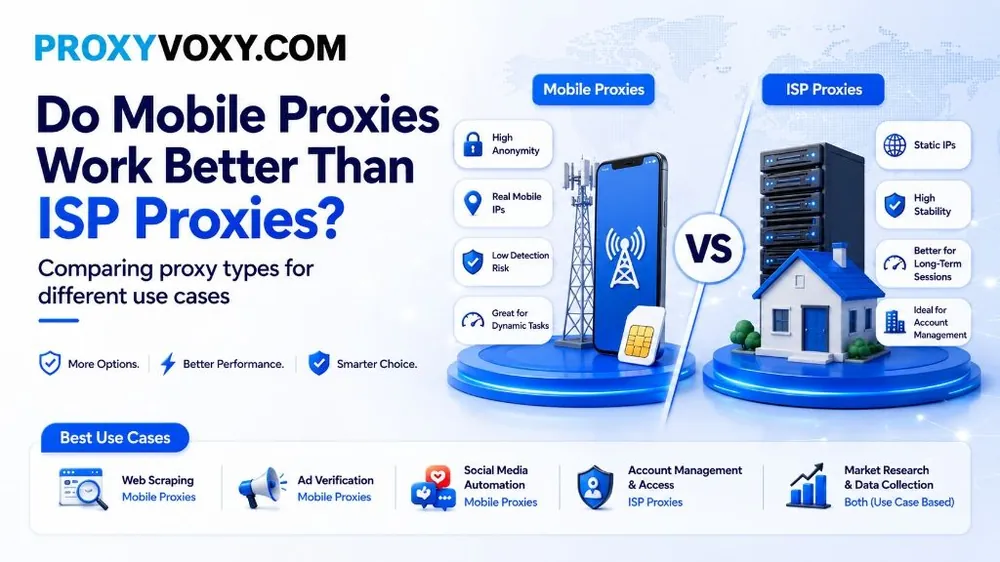
Static ISP proxies are hosted in datacenters but carry domestic home network identifiers leased from internet providers (such as Comcast, Verizon, or AT&T). Because they run on optical fiber connections, they feature sub-15ms latency pings and unlimited bandwidth. This speed is critical for the "checkout" phase, where submit-payment speeds are paramount. Having a static connection ensures that your session remains locked to a single trusted IP from login to payment execution, avoiding sudden session dropouts.
2. Rotating Residential Proxies
Rotating residential proxies route requests through actual active home devices (smart TVs, laptops, domestic routers). While their latency is slightly higher (34ms - 50ms), their pool variety is immense (over 90 million global nodes with ProxyVoxy). This massive scale is perfect for the "monitoring" phase, where bots continuously poll product listings for changes. By rotating the IP address on every request, your monitoring threads avoid rate-limiting limits indefinitely.
Optimal Sneaker Bot Configuration Guidelines
To configure your copping bot (such as Wrath, Balkobot, or MEKpreme) for maximum efficiency on Shopify drops, implement the following network parameters:
- Use SOCKS5 Socket Connections: Always configure your proxies using SOCKS5 protocols rather than HTTP. SOCKS5 routes UDP traffic, handles remote DNS lookup, and carries zero proxy-identifying headers, rendering your client completely anonymous.
- Establish Persistent Sticky Sessions: For the add-to-cart and payment phases, append session tokens to your proxy credentials (e.g.
username-session-778899) to lock your thread to the same household node for up to 30 minutes. - Optimize Delay Cycles: Configure your bot's retry delays between 1500ms and 3000ms before a drop. Once the release occurs, reduce delays to 500ms for a brief window to secure inventory, but avoid constant, uniform timing cycles that betray automation footprints.
- Geofence Closely to Target Servers: If the Shopify store's servers are located in Virginia (AWS us-east-1), geofence your ProxyVoxy ISP nodes to Virginia or New York to achieve the absolute lowest network ping times.
Production JSON Proxy Integration Spec
Modern sneaker bots ingest proxies in flat text formats. Below is an example of a premium SOCKS5 configuration payload integrating ProxyVoxy SOCKS5 endpoints with localized geo-targeting and session-binding credentials:
[
  {
    "name": "Shopify-Monitor-US-East",
    "protocol": "socks5",
    "ip": "proxy.proxyvoxy.com",
    "port": 7777,
    "user": "proxyvoxy_user-zone-resi-country-us-region-east-session-mon1234",
    "pass": "secure_proxy_pass"
  },
  {
    "name": "Shopify-Checkout-ISP-VA",
    "protocol": "socks5",
    "ip": "proxy.proxyvoxy.com",
    "port": 7777,
    "user": "proxyvoxy_user-zone-static-isp-state-va-session-chk8899",
    "pass": "secure_proxy_pass"
  }
]
FAQ: Sneaker & Shopify Proxies
Why are my proxies getting banned on Shopify drops before the drop even starts?
This usually occurs because your monitoring delays are set too low. If your bot continuously polls Shopify catalogs at sub-second intervals, the security engine flags the connection footprint as non-human rate behavior. Ensure you randomize your retry intervals and utilize rotating residential proxies for the monitoring phase.
Can I cop sneakers using cheap public proxy lists?
No. Public proxy lists are extremely dangerous and entirely useless for sneaker botting. They are heavily blacklisted, feature massive latency delays, leak personal transmission details, and suffer from high failure rates. High-speed drops require dedicated, clean static ISP or premium rotating residential nodes.
What is the advantage of SOCKS5 over HTTP proxies for retail checkout bots?
SOCKS5 operates at the TCP layer, passing data packages blindly without interpreting or rewriting headers. Standard HTTP proxies can inject identifying flags (like Via or X-Forwarded-For) that tell the target server a proxy is being used. SOCKS5 guarantees total header anonymity.
How does geofencing proxies improve my sneaker bot's checkout speeds?
Network packet transit speeds are limited by physical distances. By geofencing your proxy nodes to the same geographic state or region hosting the merchant's servers, you reduce network hops, slicing latency pings from 150ms down to less than 15ms.