The Strategic Asset of Enterprise Data Harvesting
In the data-driven landscape of modern business operations, global corporations rely heavily on real-time market intelligence to govern strategic planning, adjust pricing models, audit marketing channels, and detect trademark violations. Gathering high-quality market telemetry requires enterprise proxy solutions to crawl competitor directories, scan retail platforms, and analyze consumer behavior worldwide. For automated integration, explore our ProxyVoxy REST API for developers.
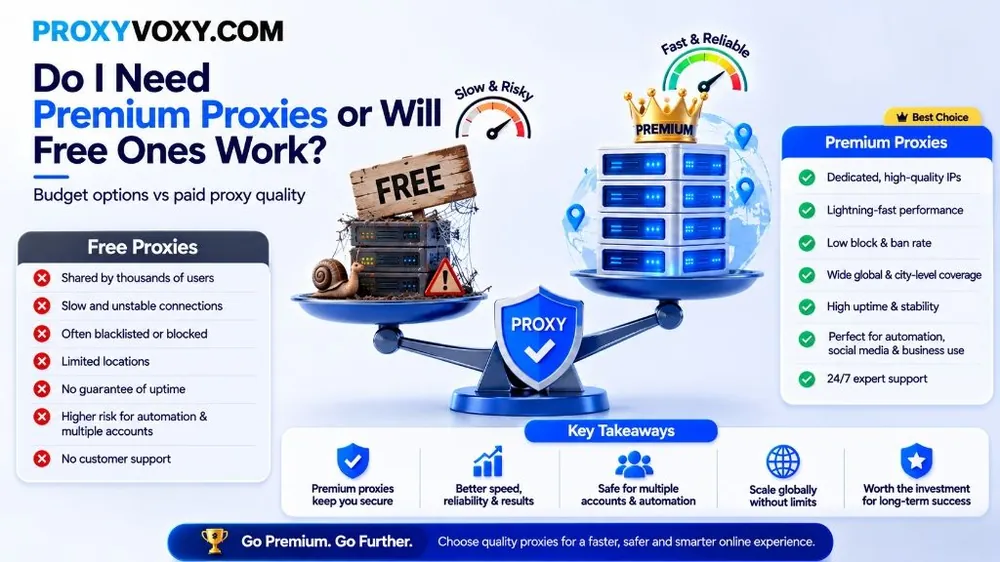
However, the internet is increasingly fragmented by localized geofencing shields, IP rate limits, and dynamic anti-bot firewalls. If an enterprise relies on standard corporate office networks or traditional cloud hosting services, their analytical crawlers are instantly blocked or fed deceptive, mocked datasets. To overcome these barriers, enterprise infrastructure teams must integrate premium global proxy pools that mimic genuine domestic consumer traffic across every sovereign market.

Four Pillars of Enterprise Proxy Applications
Modern companies deploy proxy networks across multiple operational vectors:
1. Automated Market Research & Price Monitoring
E-commerce giants, hospitality chains, and airlines adjust pricing structures dynamically based on competitor catalogs, seasonal demand, and customer location. Enterprise crawlers must sweep thousands of competitor websites daily. By routing these scraping engines through ProxyVoxy's rotating residential pools, corporations bypass regional pricing blocks, extracting exact localized pricing data down to zip-code levels without triggering target server rate-alarms.
2. Global Ad Verification and Fraud Auditing
Programmatic digital advertising represents a multi-billion dollar investment for enterprise brands. Unfortunately, ad fraud, domain spoofing, and malicious redirect cycles waste millions of dollars in marketing budgets. Enterprises utilize static ISP and residential proxies to audit ad placements globally. By mimicking organic local searchers in different countries, compliance teams verify that advertisements render correctly on designated publisher domains, exposing fraudulent traffic generators.
3. Brand Protection and Intellectual Property Audits
Counterfeit goods, trademark infringements, and unauthorized distributors erode brand value and trust. Brand protection crawlers continuously scan third-party marketplaces, social media portals, and domain registries to identify unauthorized intellectual property usage. Because bad actors intentionally block search traffic originating from corporate IP ranges, brand protection crawlers must use dynamic residential IP networks to inspect unauthorized sellers without alerting them.
4. Multi-Regional SEO Tracking and Rank Auditing
Search Engine Optimization (SEO) dictates online visibility. Search engines customize results pages dynamically based on the searcher's physical location, device profile, and internet connection class. To sweep accurate keyword rankings, SEO software providers run automated sweeps across thousands of geographic combinations. Using localized residential proxy nodes ensures queries return real, unbiased localized search engine results pages (SERPs).
Enterprise Proxy Requirements Matrix
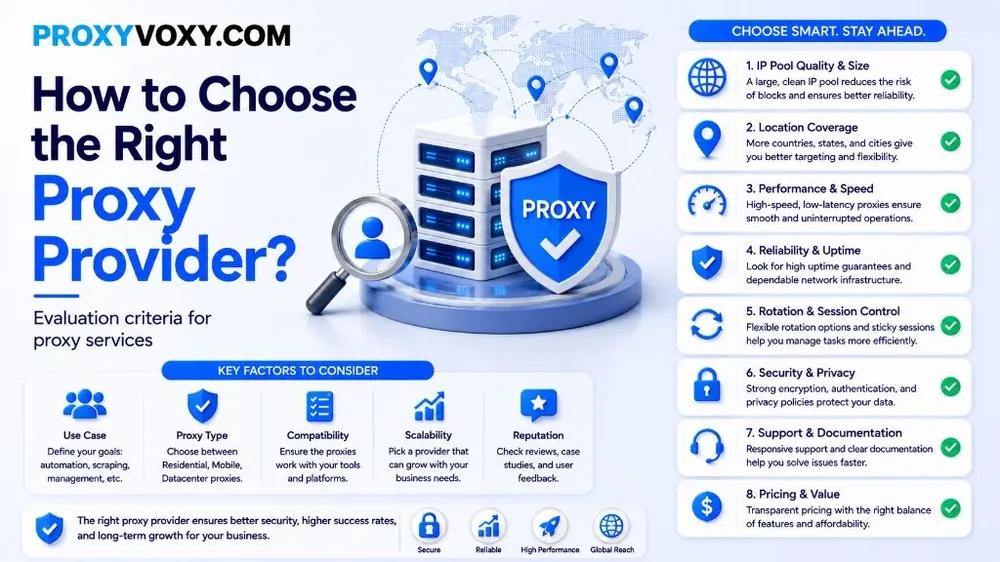
Selecting the appropriate proxy class depends on the specific enterprise application. The matrix below outlines key requirements across business use cases:
| Business Objective | Optimal Proxy Class | Key Technical Metric | Core Benefit |
|---|---|---|---|
| Competitive Price Scraping | Rotating Residential | High Request Concurrency | Bypass IP ban filters at scale |
| Global Ad Verification | Static ISP | Sub-15ms Latency, Sticky IP | Maintain authentic consumer sessions |
| Brand Protection Inspections | Mobile (4G/5G) / Residential | Clean Carrier ASN reputation | Crawl bad actors without detection |
| Multi-City SEO Sweeping | Rotating Residential | Granular City-Level Geofencing | Retrieve accurate, localized SERPs |
Infrastructure Considerations for Corporate Deployments
When integrating proxy networks into enterprise microservices, systems architect teams should implement these robust engineering principles:
- Class-C Subnet Diversification: Ensure your static ISP networks span diverse Class-C blocks. If a vendor flags one IP address block, your remaining pools remain clean, ensuring data pipeline continuity.
- Secure API Gateway Swapping: Avoid hardcoding proxy credentials in microservice containers. Deploy an internal proxy gateway service that rotates, validates, and manages SOCKS5 connections dynamically.
- Redundant Fallback Paths: Configure automated fallback rules. If a scraping worker encounters a 403 response on a residential node, the gateway should swap to a fresh Class-C static ISP node instantly.
FAQ: Enterprise Proxy Infrastructure
Why can't our enterprise use standard cloud server IPs for price scraping?
Commercial hostings (such as AWS or Google Cloud) carry ASN classifications that identify them as servers, not human consumers. Modern retail security systems block server IP address ranges by default to prevent automated scraping. Residential proxies carry domestic ASNs, making them look like real customers.
How do proxy networks help detect programmatic ad fraud?
Ad fraudsters display fake placements to automated cloud scraping tools while hiding them from real users. By routing audits through authentic consumer residential IPs, compliance teams view actual publisher contents, detecting hidden scripts and fake placements.
What is the benefit of IP whitelisting over user/pass credentials for corporate pipelines?
IP whitelisting allows your scraper servers to establish secure proxy tunnels without executing standard password handshake cycles. This reduces connection latency, prevents credential leaks, and simplifies security protocols inside containerized Docker setups.
Is scraping competitor pricing data legal for enterprises?
Yes, scraping publicly accessible competitor data (such as prices, descriptions, and catalogs) is generally legal, as confirmed by US court precedents (such as the hiQ Labs v. LinkedIn ruling). However, scraper tools must respect data privacy guidelines and avoid overloading target server infrastructures.