The Modern Social Multi-Accounting Battleground
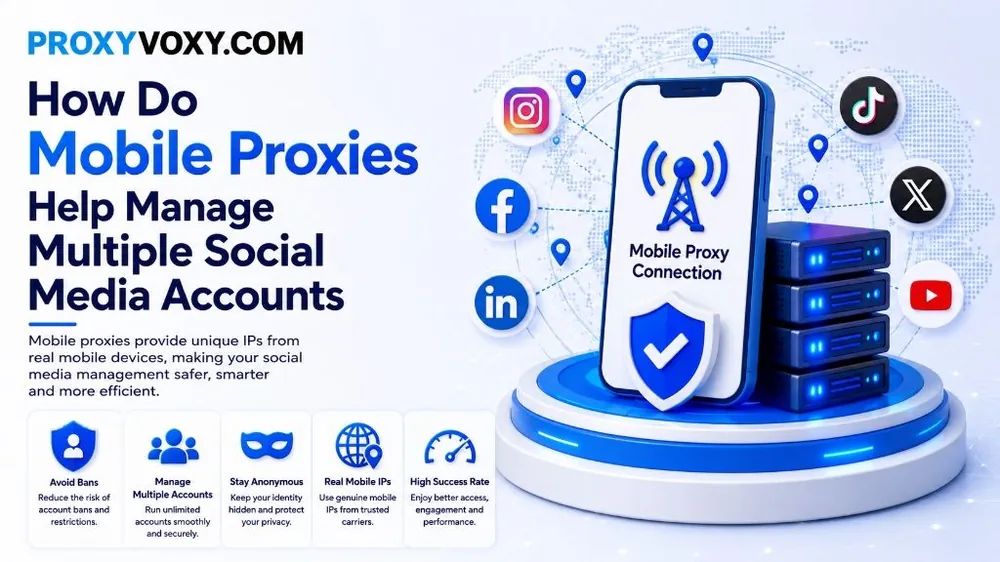
In the hyper-competitive landscape of digital marketing in 2026, managing multiple social media accounts is no longer an optional strategy—it is an operational necessity. Social Media Marketing Agencies (SMMAs), e-commerce brands running localized TikTok Shops, affiliate marketers, and growth hackers all rely on multi-accounting networks to diversify reach, run parallel ad campaigns, and scale organic brand presence globally. For automated integration, explore our 4G/5G mobile proxies.
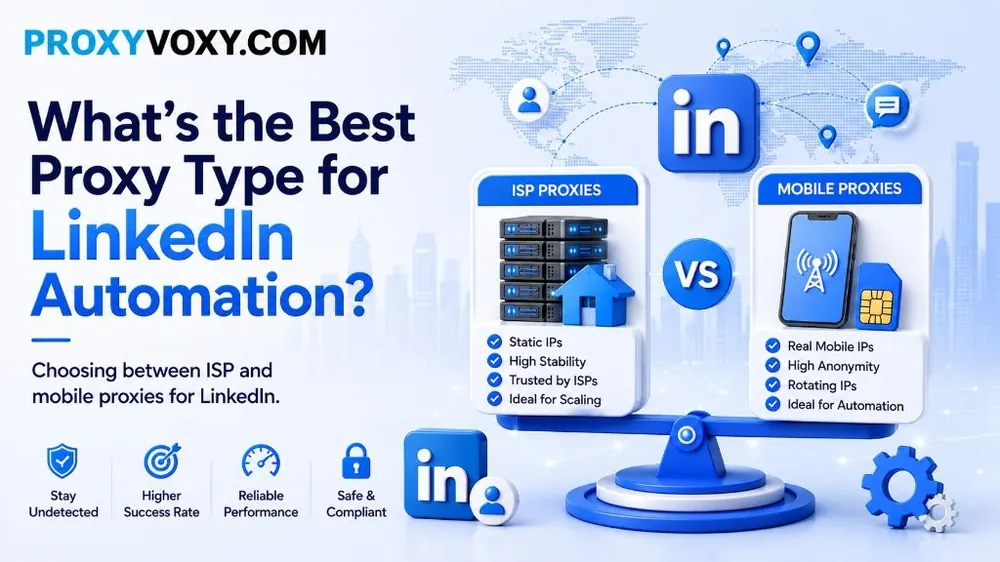
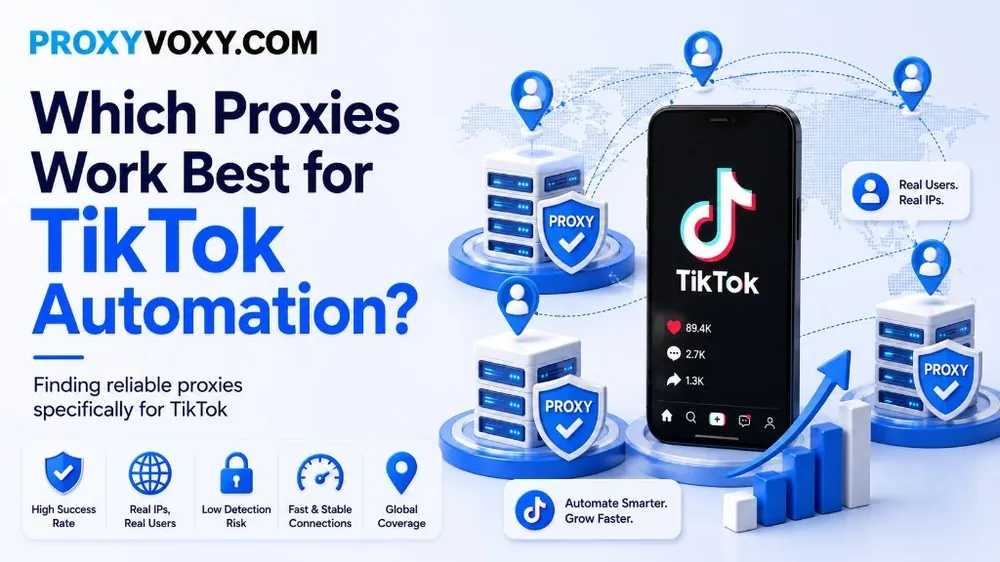
However, social platforms like Instagram, TikTok, Facebook, X (formerly Twitter), and LinkedIn have deployed incredibly sophisticated anti-bot security systems. Traditional techniques of running multiple accounts from a single office connection or cheap proxy pools now result in immediate account suspensions, shadowbans, or endless SMS/CAPTCHA verification loops. Navigating these security walls requires a connection layer that carries absolute legitimacy: 4G/5G Mobile Proxies.
Proxy Class Comparison: Datacenter vs. Residential vs. Mobile
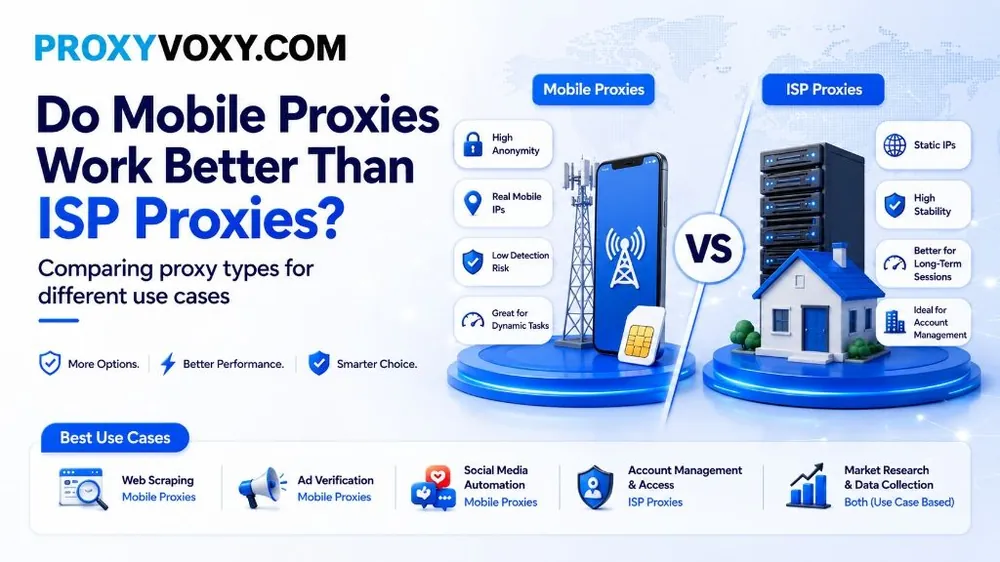
To understand why mobile proxies are the undisputed gold standard for social media multi-accounting, we must examine the architectural differences and trust scores across the three main proxy categories:
| Connection Spec | Datacenter Proxies | Residential Proxies | Mobile Proxies (4G/5G) |
|---|---|---|---|
| IP Source Class | Commercial cloud servers (AWS, Hetzner) | Home broadband routers (Comcast, BT) | Cellular carrier towers (Verizon, AT&T, EE) |
| ASN Reputation | Zero Trust (Blacklisted instantly) | Medium-High Trust | Highest Trust (100% Organic Score) |
| Subnet Ban Risk | Extremely High (Entire subnets banned) | Low-Medium | Immune (Shared cellular structure) |
| Protocol Support | HTTP / HTTPS | HTTP / HTTPS / SOCKS5 | Native SOCKS5 & SOCKS5 Sockets |
Datacenter Proxies carry commercial Autonomous System Numbers (ASNs). Because actual human users do not log into social apps from Amazon Web Services or DigitalOcean data center servers, social networks flag these connection sources on sight.
Residential Proxies route queries through home broadband lines, which carry genuine consumer reputation. However, residential IPs are tied to physical household addresses. If multiple accounts log in simultaneously from the same residential subnet, the social platform's security algorithms log this anomalous cluster and trigger immediate wave bans, taking down all linked accounts.
4G/5G Mobile Proxies route connection packets directly through genuine mobile carrier networks (like Verizon, AT&T, T-Mobile, or Vodafone). They represent physical cellular connections routed via actual cell towers, making them appear completely organic to social media apps.
CGNAT: The Technical Secret of Mobile IP Safety
The absolute superpower of mobile proxies lies in a network architecture known as Carrier-Grade Network Address Translation (CGNAT).
Due to the extreme scarcity of IPv4 addresses globally, cellular service providers cannot allocate a unique public IP address to every active smartphone and tablet on their network. Instead, carriers implement CGNAT to map thousands of separate mobile devices onto a single shared public IP address.
This shared IP structure completely alters how social media security engines evaluate connections. If Instagram, TikTok, or Facebook decides to blacklist a mobile IP address because an automation tool is running on it, the platform is not just blocking the bot—it is simultaneously blocking thousands of legitimate, paying human cellular customers who happen to be connected to the exact same carrier IP.
To prevent massive collateral damage and terrible user experiences, social platforms are forced to whitelist mobile carrier IPs. While they might restrict individual account actions if a user displays highly aggressive behavioral patterns, the mobile IP itself remains clean, providing a powerful shield that enables safe multi-accounting.
The Bulletproof Formula: Mobile Proxies + Anti-Detect Browsers
While mobile proxies guarantee connection legitimacy, they are only 50% of the battle. If you log into 50 different social profiles from the same computer, the social media platform's frontend scripts will audit your hardware fingerprint. By analyzing your canvas rendering, WebGL textures, WebRTC interfaces, AudioContext, system fonts, and TLS (JA3/JA4) handshakes, they will link your profiles together and execute a wave ban regardless of your IP addresses.
For safe, scalable operations, you must pair mobile proxies with anti-detect browsers (such as Multilogin, AdsPower, or GoLogin). This integration provides:
- Isolated Hardware Profiles: Anti-detect browsers generate completely unique browser profiles with isolated cookie jars, local storage, and simulated hardware components, preventing profile linkage.
- Native SOCKS5 Sockets: ProxyVoxy's mobile proxies support native SOCKS5 socket configurations. Operating at the TCP transport layer, SOCKS5 handles raw data packets without altering headers, ensuring zero proxy leaks.
-
Sticky Session Management: Appending custom session tags (e.g.
username-session-meta4499) binds your browser thread to a specific mobile IP for the duration of your editing or posting session, preventing session drops that alert fraud classifiers.
Standard Account Warming & Operation Playbook
To successfully run a social media account network at scale, implement this standardized operational routine:
- Randomize Posting Windows: Never schedule posts to fire simultaneously. Offset posting times by random intervals of 10 to 45 minutes to emulate natural human behavior.
- Maintain a 1:1 Profile-to-Proxy Ratio for Meta: Platforms like Facebook and Instagram are extremely sensitive to geographic jumps. Keep your active advertising profiles bound to consistent static or sticky sessions in the same city.
- Sanitize Browser Headers: Ensure that your profile's User-Agent string matches the exact TLS Client Hello handshake (JA3/JA4) emitted by your anti-detect browser configurations to avoid security alarms.
FAQ: Managing Social Accounts Safely
Can I manage multiple social accounts using standard residential proxies?
Yes, but at a higher risk. Residential proxies carry high E-E-A-T ratings, but because residential addresses are dedicated to specific households, platforms will quickly flag and ban subnets if they detect dozens of separate accounts accessing directories from the same household subnet simultaneously. Mobile proxies bypass this restriction entirely due to CGNAT whitelisting.
What protocol should I use for multi-account social proxies, SOCKS5 or HTTP?
SOCKS5 is highly recommended. Unlike HTTP proxies, which only route web traffic and often alter headers (betraying proxy usage), SOCKS5 routes raw TCP/UDP packets transparently without rewriting headers, assuring complete protocol-level anonymity.
How do I rotate the IP address on a mobile proxy?
ProxyVoxy mobile proxies support both automated rotation and API-driven swapping. You can configure your gateway to automatically rotate IPs at set intervals, or trigger a clean IP swap dynamically via a simple API endpoint call, ensuring access to fresh cellular subnets instantly.
Secure 90M+ Gigabit Mobile and Residential Nodes
Scale your social media multi-accounting networks safely. Deploy ProxyVoxy's premium, contract-free, pay-as-you-go SOCKS5 proxy pools starting at just $2.00/GB today.